

Depending on the climate you live in, your home may need different amounts of heating and cooling. It’s important to make sure you’re buying the right size air conditioner for your home. You may also need to consider installing insulation.
Calculating your home’s heating needs
Depending on the climate you live in, your home’s heating needs will vary. It’s important to find the right heating needs so you can keep your home warm. The BTU, or British Thermal Unit, is a unit of heat that represents the amount of energy needed to heat one pound of water one degree Fahrenheit.
Aside from climate, BTUs will also vary depending on the size of your home and your insulation. To calculate the BTUs needed for your home, you first need to measure the size of the rooms. You can do this yourself or with the help of a professional. Alternatively, you can use a heating BTU calculator to determine the exact heating needs of your home.
A few important factors to consider when calculating your home’s heating needs are the amount of insulation you have, your climate zone, and how much sunlight you have. For example, a home with more windows will have more heat loss. Also, a home that’s older will have higher heating factors.
Your climate zone can be determined by looking at a map. The United States is divided into seven climate zones. You can find your climate zone online or at your local home improvement center. A home that is located in one of these zones will need more BTUs than one that’s located in a different climate zone.
You can also use the formulas of the Residential Tenancies (Healthy Homes Standards) Regulations for calculating your home’s heating needs. These formulas include the amount of surface heat loss, the amount of heat lost through the walls, and the amount of heat lost from the windows.
Using these formulas, you can determine how many BTUs your home needs to heat each room. Once you’ve determined your home’s heating needs, you can choose the best heat source for your home. Some common heat sources include fireplaces, woodstoves, and electric heating systems. You can also check out the Energy Star program for a full list of efficient heating products.
The Energy Star program also has information on secondary heating sources. For example, you can use a fireplace as a zone heater. Alternatively, you can use solar energy to heat your home.
Choosing the right size air conditioner
Choosing the right size air conditioner for your home is crucial to ensuring a comfortable indoor environment. The wrong choice can increase your energy costs, reduce the life of your AC, and may even lead to humidity in your home.
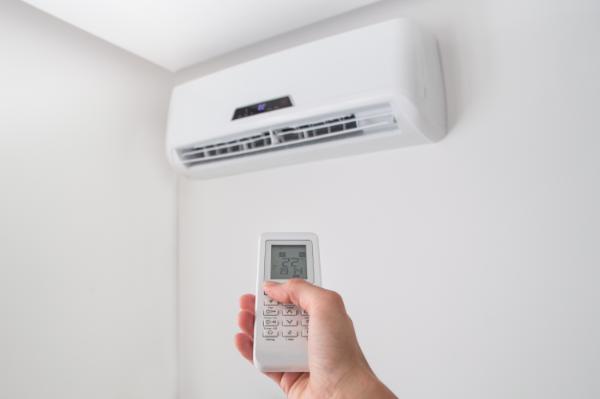 In general, the size of your air conditioning unit is determined by several factors, including the square footage of your home and the climate in your area. If you’re unsure about what size you need, talk with a HVAC professional.
Choosing the right size air conditioner for your house is not as difficult as it may sound. It takes a few minutes to do so, and the results will make your life more comfortable.
For the best results, use a heat gain and loss calculator to determine the exact BTUs needed for your home. Then calculate the square footage of the room or area you wish to cool. For example, if your home is 1,500 square feet, you need 30,000 BTUs for a good level of comfort.
You can also choose an air conditioner with a higher SEER rating. These units use less energy, and are more efficient. A higher SEER rating means you will save money over time.
The size of your AC will be influenced by a number of factors, including the square footage of your home, the climate in your area, and the number of people who will be using the unit. The right size air conditioner will not only keep your family comfortable, but also improve performance.
For example, a small air conditioning unit will work a lot harder and will not cool the room as efficiently. This is because it will have to run for a long time. It may also cycle on and off more frequently, resulting in more energy used.
The right size air conditioner will keep your home cool, but you will also have to choose a brand that works well in your climate. When you’re ready to buy an air conditioner, ask a local heating and cooling store for help. They will recommend the right unit for your needs.
Insulating your home
Adding insulation to your home is an important investment that will help you maintain a comfortable indoor temperature. This will increase the resale value of your house and decrease your energy costs. You can install insulation yourself or hire a professional. Insulation will also help block outside contaminants, keeping cool air in and hot air out. If your home is poorly insulated, it can be very uncomfortable.
Insulation is also important because it can prevent mold from growing. Mold is a common health hazard that can trigger allergic reactions and lead to illnesses such as asthma. In addition, it can also help block the transmission of outside noise. Properly insulating your home will help reduce your energy costs and keep your family safe.
There are many different types of insulation materials. You can find insulation materials that are made from natural fibers or eco-friendly products. The type of insulation you need is determined by the type of room you are insulating. If you want to insulate a room that receives a lot of heat from the sun, you will need more BTUs than if the room receives little or no heat.
The number of BTUs needed will vary depending on the number of people in the room, the number of windows, the size of the room, and the insulation quality. For instance, a 400-square-foot room that is moderately insulated will require about 12,000 BTUs. A sunlit room will need about 10% more BTUs.
If your home is not insulated properly, you may experience discomfort when the weather is warm and cold. You may also need to use fans or blankets to keep warm in the winter or cold in the summer. You may also experience health problems such as heat rash, cramps, and exhaustion. In addition, you may experience asthma attacks, which can lead to a reduced immune system. Adding insulation to your home will ensure that your family is comfortable year-round.
Before installing insulation, it is important to consult with a professional. He or she will be able to guide you on the right type of insulation for your home.


Leave A Comment