

Whether you’re looking for a sunroom, outdoor kitchen or screened-in porch, there are plenty of ways to turn your deck into a functional living space. But what’s the best way to get started?
Screened-in porch
Adding a screened-in porch on a deck can be a great way to enjoy the outdoors. These rooms allow you to enjoy your patio or deck without bugs and pollen. You can even use your screened-in porch during the rainy season.
Screened-in porches are becoming more popular these days. Some people are looking to create a cozy porch while others want a more formal porch that pays homage to an old Southern estate. Whatever your preference, you should consider a few things before you begin construction.
First, decide on the size of your porch. It’s important to choose a size that fits your needs and budget. You can easily change the size of your screen room halfway through the project.
Next, you’ll need to find a contractor. Many local governments require you to have a professional sign your plans. It’s also a good idea to contact several local contractors. They may be willing to work with you on a project that is within your budget.
The cost of building a screen porch can vary depending on the area where you live. Some areas require building permits for enclosed porches. This can cost anywhere from $100 to $300.
The cost of building a screen-in porch on a deck will also depend on the material you choose. Generally, fiberglass screens are the least expensive option. But they’re not the best quality. You’ll also need to pay for electrical wiring and possibly a ceiling fan.
Screened-in porches can add value to your home. They’re also easy to use year-round. But you’ll need to invest some time and money in cleaning and maintaining them.
There are also many different features that you can add to a screened-in porch. You might want to install a fireplace, surround sound, or even a wide-screen TV. If you plan on installing a fireplace, you’ll need to add more wiring to the electrical panel.
Finally, you’ll need to consider the size of your screen-in porch. The average porch is around 200 square feet. If your porch is larger, you’ll need to spend more money on construction.
While building a screened-in porch may be a low-budget project, you’ll need to make sure you’re not missing out on the important features.
Sunroom
Adding a sunroom to your deck can be a great way to increase the value of your home. But before you go out and buy a product, you should consider several factors. You’ll want to look at the deck’s foundation, the materials used, and the design of the sunroom.
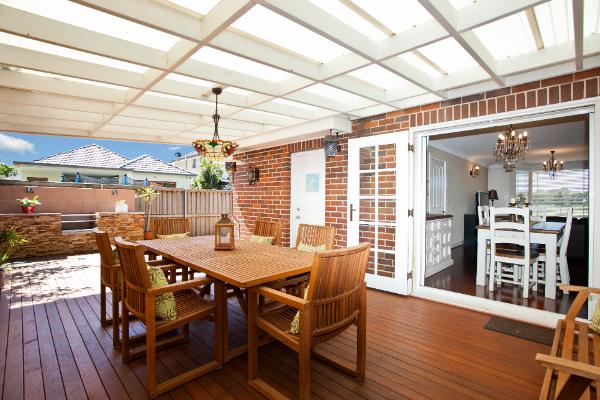 The sunroom will add weight to your deck’s foundation. This weight will need to be supported, or you could end up with a structure that is too weak to support a sunroom. Fortunately, you can upgrade your foundation and make it strong enough to support your sunroom. You may even be able to add joists or piers to your deck to make it stronger.
You can also build a sunroom on a deck that is already attached to your home. This will make it easy to access. Typically, these decks are built at the same height as the main entrance. If your deck is too low, you may need to add some piers or joists to strengthen it.
You can also convert a covered deck into a sunroom by adding screens and glass sides. If you have an elevated deck on the second level of your home, you can build a sunroom by installing patio flooring and insulated glass sides.
Before you start building your sunroom, you’ll need to decide on the type of structure you want. You can choose between an A-frame roof, which provides more air circulation, or a flat roof, which allows less air to enter the room.
You’ll want to choose a style that matches the design of your home. You’ll also want to select windows that are energy efficient. Vinyl windows are less expensive than glass and can return to their original shape after abuse. You should also choose a roof that lets in natural light during the day. You may also choose a skylight that lets in a lot of light at night.
You may also want to include some sidings, hardware, and lighting fixtures. You’ll want to make sure all your utilities are installed before you begin construction. It’s also a good idea to consult a licensed electrician.
Outdoor kitchen
Creating an outdoor living space is a great way to entertain family and friends. There are many things to consider before embarking on this project. Among the most important are safety and ventilation. A poorly-ventilated space can lead to increased energy consumption and shortened lifespans for your outdoor appliances.
An outdoor kitchen can be a great addition to a deck. It provides a place to entertain family and friends, and can also be a convenient way to store cooking essentials. But, it’s important to consider safety and ventilation before installing an outdoor kitchen.
A screened-in porch is another design option. Screened-in porches can turn the space beneath your house into an outdoor living space. The screen can provide shade, privacy, and protection from the elements. The mesh wall allows for easy insect control and airflow.
A barbecue grill is also a must have for many homeowners. However, you will have to make sure that the grill is approved by your local building codes. Whether you have an outdoor kitchen or a regular grill, you will need to install a gas, electrical, and water receptacle. Unless your deck is solid concrete or tile, you may not be able to install a full-sized barbecue.
Other options include a fire pit. This can provide warmth and a fun place to roast marshmallows. Adding a fire pit to your deck may also bring back fond memories of childhood.
One of the best features of an outdoor kitchen is that it’s often near your indoor kitchen. This will save you a trip from the indoor kitchen to the deck.
Another benefit is that an outdoor kitchen may cost less to run utilities to. Depending on where you live, you may not have to get a permit for an outdoor kitchen. This makes it a good option for homes that are not built to accommodate a full-sized indoor kitchen.
If you’re ready to start planning your own outdoor kitchen, start by making a list of features you would like to have. Then work with a certified contractor to determine the best location for your outdoor kitchen.
Cost
Whether you are building a new deck or turning an existing one into a living space, there are many factors that will determine the cost. The material you use, the size and shape of your deck, and even your yard will all affect the cost.
In addition to the materials, there are also the costs of labor. This can range from a few dollars to several hundred dollars per square foot. You can save a bit on the material costs if you purchase premade concrete footings.
The labor costs for a deck are also dependent on your location. In some areas, you will need special building codes. These codes will determine the type of foundation you will need. In a hurricane-prone area, you may need extra structural support.
You may also have to add extra features. You may want to install a hot tub or additional lighting. These can add up quickly. If you plan to install a deck on the ground level, you may not need to install concrete footings.
If you plan to install a deck with railings, you will need to purchase more materials. A basic railing will cost about $18 per linear foot. You may also have to add deck skirting to cover the area below the deck. Deck skirting is available in a variety of materials, from wood to vinyl sheets.
If you plan to build a deck with a hot tub, you will also need to install additional structural support. Stairs will add up quickly. In addition, you may have to install a power outlet or wiring for a hot tub.
Decks are a great way to add value to your home. They offer a great space for entertaining and a place to relax. You can also add built-in grills and TVs with surround sound for entertainment. You can also add deck heaters and misters to your deck for $1800 to $3100.
If you plan to convert your deck into a living space, you may need to hire a contractor. If you plan to build a deck, you should get at least three estimates. Ensure that the contractor you choose is licensed and insured.


Leave A Comment