

Having a patio is an amazing way to make the most of your outdoor space. If you want to create a beautiful patio for your outdoor living area, there are several things you should keep in mind. Choosing the right materials for the project and planning your layout will ensure the results are stunning.
Wayfair Outdoor Living Cushions
Whether it’s an elegant chaise lounge or a simple outdoor sofa, cushions offer the ultimate in comfort and durability. In addition to providing the necessary padding, they’re also fun to look at.
You can find a range of cushions suited to any budget and style, from high end to shabby chic. The best bet is to browse through your local hardware store or home improvement catalogue to see what’s on offer. The best part about this is that you’ll usually be able to buy them for less than you might pay for a new couch. The quality of these outdoor living cushions isn’t compromised by their price tags, either.
The aforementioned is a good way to start, but you should follow it up with a spot cleaning and a thorough drying process. The right maintenance will keep your cushion in mint condition for years to come.
You might have to spend a bit of extra cash on the sexiest ones though, as many are made of polyester or recycled plastic bottles. If you’re looking for a low maintenance, environmentally friendly option for your backyard patio, this is the way to go.
In terms of size and shape, the largest option is the best bet. The two piece set includes two cushions for the front and back of the sofa, which makes the best use of your space. The fabric is weather resistant and comes in a variety of colors to complement your existing furniture. This model is a breeze to clean, thanks to its zippered cover and corner ties.
The two-piece set has a solid color reversible design that’s made from fade-resistant polyester. This is a great choice for a family with young children or pet owners.
Planters
Adding planters to a patio can make it a warm and welcoming space. However, you have to take care of your pots in order to maintain their look. There are different styles and sizes to choose from. There are also different types of plants that can be planted in them.
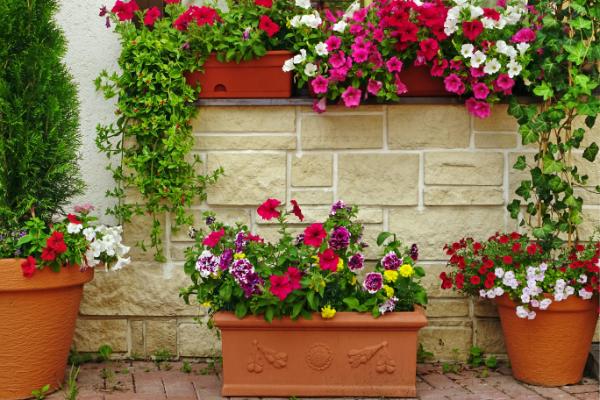 It is important to choose non-porous pots. The reason is because waterlogged soil can cause the roots of your plant to rot. You can also add gravel, sticks, or nut shells as drainage.
If you want your plants to have a colorful accent, consider planting them in a brightly colored pot. This will create a whimsical, eclectic look that is easy to achieve without going overboard.
In addition, if you’re planning to plant a succulent garden, you should get a wide mouth planter. These are made of recycled materials and are resistant to harsh weather conditions. They can hold moisture more efficiently.
If you’re looking for an alternative, consider buying a terracotta planter. These containers have a Mediterranean feel that’s perfect for a patio. You can combine them with rectangular shapes for a modern and laid-back look.
Another great idea for a planter is to use old pails. This is especially useful if you live in a small space. You can hang these as wrought iron wall planters, or place them on the roof of your porch.
To keep your plants in top condition, you need to regularly fertilize them. You can give them a slow-release fertilizer or give them water-soluble fertilizer.
You can find beautiful, healthy plants at a nursery or garden center. To determine the right size for your roots, ask an employee at the store.
Potted plants
Whether you are looking for a bright spot on your patio, or just want a tropical retreat, the right potted plants for your patio can add beauty and interest. These plants are ideal for creating a tropical look, as well as privacy screening. These patio plants are easy to care for and require little maintenance.
One of the best potted plants for your patio is the tropical hibiscus. These plants produce huge, neon-colored blooms. The hibiscus is very sensitive to cold temperatures, so be sure to keep it well watered.
Another patio plant that’s ideal for a shaded area is lobelia. These flowers are perennials, and they will thrive in moderate weather. They are great for hanging baskets, but they’re also adaptable to a flower pot. They need to be placed in a pot with adequate drainage.
Caladiums are tropical plants that can be grown indoors as annuals, but they can be overwintered outdoors during the colder months. They have heart-shaped leaves that are incredibly colorful. These plants can be grown in a shaded area or in full sun.
If you want to create a formal entertaining spot on your patio, you can add some large outdoor potted plants. They soften edges and make a statement. These plants also add color and texture to your outdoor space.
A good option for patio containers is a variety of ornamental grasses. These plants grow quickly and provide a lot of visual interest. The plants are available in dozens of varieties, each with its own unique characteristics. The flowers of these plants can be attractive to hummingbirds. They can be pruned anytime during the growing season.
Another perennial that looks great in a container is Creeping Jenny, also known as moneywort. These plants prefer a moist, warm environment, and they have tiny pink and purple flowers.
Pavers
Choosing the right pavers for your patio can be a bit tricky. There are many factors to consider, including the size of the patio, the style of pavers and the color of the paving stones. You should also take into consideration the temperature of the paving stones and the type of weather you live in.
You should also consider the design of the pavers themselves. Brick and concrete stones are often used for patios. These can be arranged in interesting patterns. They are also great for stepping stones in the garden.
For a more elegant look, you can mix and match different materials to create an attractive texture. You can also use decorative pebbles in bright colors or natural stone.
If you’re building your own patio, you can choose the paver colors, shapes and textures to fit your budget. For a smaller space, you may want to go with lighter colored pavers. This will make the space feel larger and more intimate.
You’ll probably need to plan for the installation and decide on a budget. You should include 5 to 10 percent more than the space you’re paving requires. This will help you save money in the long run.
For a truly impressive patio, you may want to take the time to plan your design. Measure your patio carefully and draw up your plans so you can accurately lay out your stones.
You can find pavers in many different colors and materials, so you’ll have a tough time picking out the right ones. You can even customize your pavers to withstand extreme weather. If you’re dealing with a lot of rain, you may want to choose a permeable paver that will allow the water to pass through the stone.
Tree ferns
Adding a tree fern to your garden is a surefire way to add style and substance to your outdoor space. While they require special care, the process is simple with a few tips.
When deciding where to plant your ferns, pick a spot that gets at least four inches of rain per year. Ideally, they should be planted near a window that receives good light. They should also be sheltered from harsh winds. They can handle some frost, but if they are exposed to freezing temperatures, they will likely die.
To plant, dig a hole that is at least as deep as the fern’s container. Fill it with soil that is rich in organic matter. Make sure to add pebbles to hold moisture. During the summer, water the fern well, and less frequently during the winter.
You can also plant tree ferns in pots. Depending on the species, you may need to water them more than once a day. They aren’t drought-tolerant, but they will be able to tolerate partial sun.
When you are planting tree ferns, it is important to use a soil mix that is rich in nutrients. The ferns will grow best if they are given a dose of fertilizer every month. You can spray them with liquid fertilizer, or apply slow-release fertilizer around the trunk.
Several types of tree ferns are frost-hardy. These include the Dicksonia antarctica and the Tasmanian Tree Fern. You can’t expect the latter to survive in a greenhouse, but it will survive for a few months at least.
Depending on the climate, the tree fern will produce new fronds in the spring. You may also want to remove the lower leaves.


Leave A Comment